Discover How the Wu-Tang Clan Logo Became a Defining Symbol of East Cost Hip-Hop
The Wu-Tang Clan, a groundbreaking hip-hop group that formed in Staten Island, New York City in the early 1990s, changed the landscape of rap music. With their unique blend of hardcore lyricism and Shaolin kung-fu iconography, the group revolutionized East Coast hip-hop. And the nine core members – RZA, GZA, Ol’ Dirty Bastard, Method Man, Raekwon, Ghostface Killah, Inspectah Deck, U-God, and Masta Killa created a distinct and influential identity, with Cappadonna later becoming the 10th member.
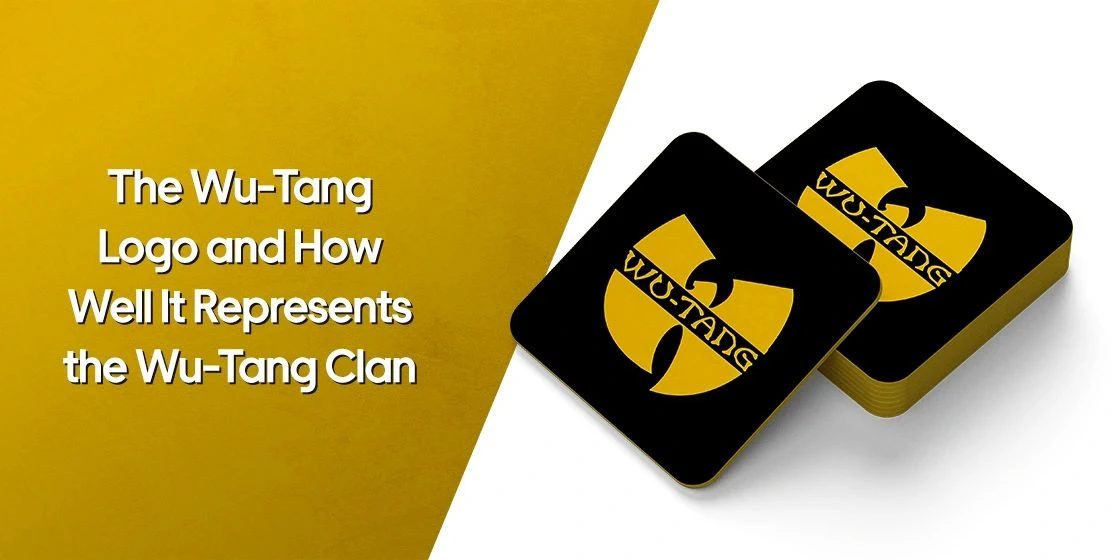
A critical element of this identity is their iconic Wu-Tang logo: a stylized, sharp-edged “W,” often rendered in gold or yellow against a black background. This symbol has become synonymous with the group’s music, their ethos, and their enduring legacy, affecting various aspects of popular culture. The Wu-Tang symbol is more than just a recognizable graphic; it’s a visual representation of the group’s multifaceted identity.
In this article, we will explore the origins and intended meaning behind the Wu-Tang Clan’s logo from the perspective of a professional logo design agency. This will help us understand how to effectively encapsulate the essence and enduring appeal of the brand into its logo, just like the Wu-Tang Clan accomplished.
Let’s begin.
What is the Wu-Tang Clan? A Brief Overview
The Wu-Tang Clan was formed in Staten Island, New York City, in 1992, largely through the vision of Robert Diggs, known as RZA, who served as the group’s de facto leader and primary producer. The initial nine core members included his cousins GZA and Ol’ Dirty Bastard, along with Method Man, Raekwon, Ghostface Killah, Inspectah Deck, U-God, and Masta Killa. And the diverse group brought together a diverse range of lyrical styles and personalities.
Their name was directly inspired by the 1983 martial arts film “Shaolin and Wu Tang,” reflecting their fascination with kung-fu cinema and Eastern philosophy in general. And this fascination heavily influenced their lyrics, imagery, and overall vibe. The term “Wu-Tang” itself became associated with a formidable and disciplined style of belligerence, a metaphor that the group readily embraced, and becoming known for “keepin’ it real.”
The Clan’s breakthrough came with their independently released single “Protect Ya Neck” in 1993, which gained a lot of underground buzz due to the raw talent and unique chemistry of the various members. And despite the challenge of catering to the individual aspirations of nine distinct artists, they secured an unprecedented deal with Loud/RCA Records.
This deal allowed each member to pursue solo careers on different labels, while still remaining unified under the Wu-Tang banner, resulting in some great personal branding examples. This innovative business model proved highly successful, launching the solo careers of several members into the mainstream while strengthening the collective brand.
Their debut album, “Enter the Wu-Tang (36 Chambers),” released in November 1993, is now considered a seminal work in hip-hop history, renowned for its gritty sound, intricate wordplay, and the distinct vocal styles of each member.
The Wu-Tang Clan’s impact extended far beyond their musical contributions. Their slang and terminology became influential, and their Wu-Tang logo quickly became a ubiquitous symbol of hip-hop culture. This cemented their status as one of the most important and influential groups in the history of hip-hop.
The Impact of the Wu-Tang Logo and the Group on East Coast Rap
The emergence of the Wu-Tang Clan in the early 1990s marked a significant turning point for East Coast rap. At a time when West Coast G-funk was dominating, the Wu-Tang Clan brought a raw, hardcore sound and a distinct aesthetic that revitalized the New York hip-hop scene.
Their gritty production, characterized by lo-fi samples and hard-hitting beats, provided a sharp contrast to the smoother sounds of West Coast hip-hop. Lyrically, their complex wordplay, intricate rhyme schemes, and vivid storytelling, established a new standard for East Coast MCs. The Clan’s success resulted in a resurgence of hardcore hip-hop from the East Coast, influencing countless artists who followed them.
The Wu-Tang logo played a crucial role in solidifying the group’s identity and amplifying their impact. The stylized “W” quickly became a recognizable emblem, not just for fans of their music but within the broader hip-hop community and eventually mainstream culture.
Its bold and sharp design with the bird as inspiration resonated with the group’s aggressive style and persona, serving as a great example of how to make an album cover iconic. The logo’s prevalence on merchandise, album art, and graffiti further cemented its status as a powerful symbol of East Coast hip-hop.